Learn about Circulator Pump in hydronic systems.
Use this quick reference to identify common circulator pump problems, what they usually mean, and whether the issue is safe for homeowners to check.
| Symptom | Likely Cause | DIY Safe? | Next Action |
|---|---|---|---|
| Pump humming but no heat | Air locked system, stuck motor, failed capacitor | ⚠️ Limited | Check air in system; call pro if motor does not spin |
| Cold radiators or uneven heat | Air in piping, closed valves, weak circulation | ✅ Yes | Bleed system and verify valves are open |
| Very hot pump housing | Blocked flow, seized impeller, electrical issue | ❌ No | Shut system off and contact a professional |
| Loud rattling or grinding noise | Worn bearings, cavitation, debris in impeller | ❌ No | Professional inspection recommended |
| Water leaking at pump flanges | Worn gasket or loose bolts | ⚠️ Limited | Gently snug bolts; gasket replacement is not DIY |
| Pump not running at all | No power, failed motor, control issue | ❌ No | Electrical diagnostics required |
These symptoms are explained in more detail below, including step-by-step troubleshooting and when it’s safest to call a licensed HVAC professional.
Circulation pumps, often called centrifugal pumps, are a critical component in hot water boiler systems. They move water from the heat source through piping to radiators or baseboards and back to the boiler. These pumps rely on centrifugal force to circulate water, with the impeller spinning to push water through the system. Unlike pressure pumps, circulators are designed primarily for flow and distribution rather than boosting pressure.
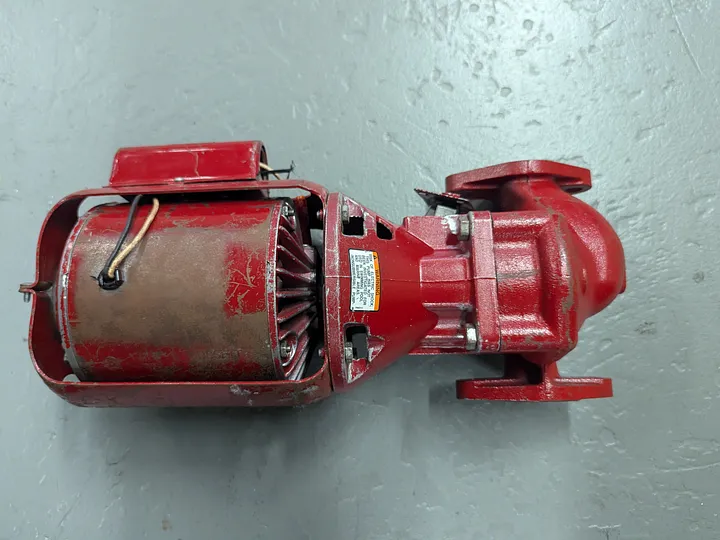
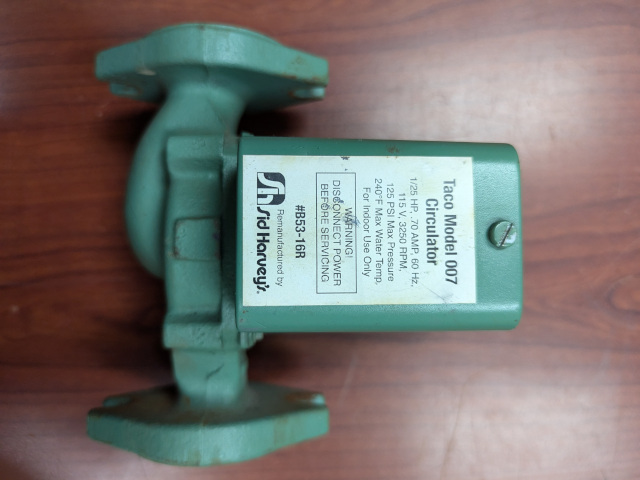
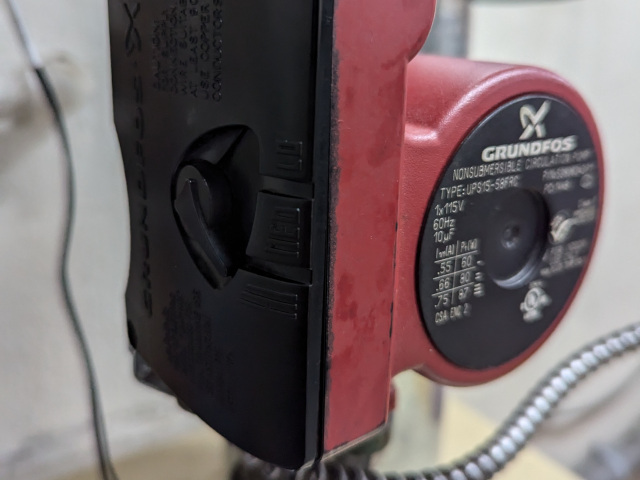
Popular circulation pump brands commonly encountered during boiler repairs include Bell & Gossett 100 Series, Taco 007, and Grundfos UPS26–99. These pumps are valued for reliability, simplicity, and long service life, which averages around 10–15 years depending on usage, water quality, and maintenance.
When planning installation or replacement, several key considerations help ensure optimal performance:
In this guide, we will explore common problems with circulation pumps, step-by-step troubleshooting, and when it’s appropriate for a homeowner to perform DIY checks versus calling a professional. For more advanced boiler repairs, see our boiler troubleshooting guide.
Many homes still use legacy pump models due to their simplicity and reliability. Modern circulator pumps offer advanced features such as electronically commutated motors (ECMs), digital displays, and variable flow capabilities, which can improve efficiency and comfort. These newer features will be explored in future articles.
Fun fact: In 2011, Xylem Inc. acquired Bell and Gossett, adding their products to a larger portfolio of hydronic system solutions.
Circulation pumps move heated water from the boiler to radiators or baseboards. When a pump begins to fail, homeowners may notice uneven heating, gurgling sounds, cold zones, or unusual noises near the boiler.
Safety First: Always turn power OFF and allow the system to cool before inspecting anything. Some symptoms overlap with air trapped in the system — see our Air Removal Guide. Electrical testing or internal disassembly should be handled by a licensed professional.
Older heating systems relied on gravity circulation, which often caused uneven heating and slow response times. Circulation pumps are essential for moving hot water from your boiler to radiators or baseboards efficiently. Modern pumps ensure rapid, consistent heat distribution, even to upper floors, improving comfort and energy efficiency.
Most circulation pumps last 10–30 years, depending on system usage, water quality, and maintenance. Regular inspection, bleeding air, and keeping the system clean can extend pump life and prevent boiler problems.
Many homeowners and professionals rely on trusted boiler and pump brands for durability and serviceability. When choosing a pump or boiler, consider brand reliability, compatibility with system zoning, and ease of maintenance.
Proper pump installation and system zoning are critical. Multi-zone systems often require separate circulators for each zone to ensure balanced flow. Incorrect sizing, poor placement, or skipping zoning considerations can reduce efficiency, shorten pump life, and cause uneven heating.
For a deeper dive into pump troubleshooting, proper installation, and circulation optimization, see our Circulation Pump Troubleshooting Guide and Boiler Air Removal Guide.
The following is a comparison of popular circulation pump brands based on my personal experience and observations. I am not affiliated with any of these manufacturers, and this is not a sponsored endorsement. The information is intended to help homeowners and HVAC professionals understand key features, strengths, and practical considerations for each brand.
Proper installation of circulation pumps can save time, reduce maintenance headaches, and prolong equipment life. Here are key considerations every homeowner and installer should keep in mind.
Always incorporate shut-off valves both upstream and downstream of the circulator. These valves allow you to isolate the pump for repairs or maintenance without draining the entire system, minimizing downtime and avoiding unnecessary disruptions.
Industry opinions vary, but following the manufacturer’s recommendations is always critical. Based on experience, installing the pump on the supply side offers several advantages:
While a single pump may suffice for simple systems, multiple pumps can be used for zoning or targeted heating. Alternatively, a single pump with Zone Valves can provide a cost-effective solution for multi-zone homes.