Can Unfreezing Help Fix a Frozen AC?
So, your air conditioner has decided to turn into an ice cube, and now you’re wondering—can unfreezing it actually solve the problem?
Before you jump into action, should you thaw it, melt it, or unfreeze it?
But aren’t these terms the same thing? Well, terminology matters a lot, let's find out!
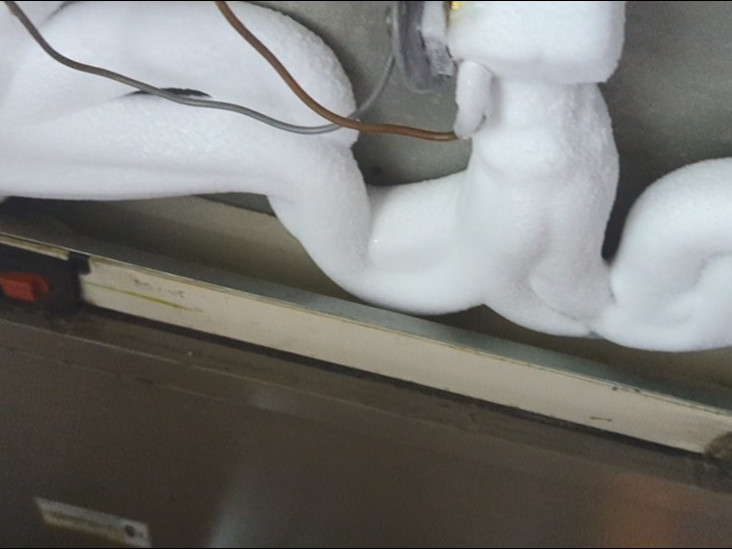
Distinction Between Thawing, Melting, and Unfreezing
- Unfreezing: This term generally combines thawing and melting, referring to the overall process of reversing freezing. It’s what you’re aiming for when you're dealing with a frozen AC — making the ice disappear.
- Thawing: This is the gradual process of warming something frozen, typically in a way that allows it to return to its normal state naturally. Think of it like letting ice cubes sit out at room temperature until they soften up.
- Melting: Melting is the actual phase change from solid to liquid. This differs in the sense that it might require using a heat source such as a blow dryer or a blower fan to accelerate the process.
Why Does Your AC Freeze in the First Place?
It is important to first understand what’s causing your AC to freeze. You can find sources like energy.gov or detailed discussion about why air conditioners freeze up. A brief list is shown next:
- Restricted Airflow: Dirty air filters (most common), blocked vents, or broken blower can restrict airflow, causing the evaporator coil to freeze.
- Thermostat Problems: Setting the thermostat too low (below 68F) can overwork the AC and cause ice buildup.
- Low Refrigerant Levels: A refrigerant leak can drop the pressure in your AC, leading to freezing.
- Restricted Refrigerant: A refrigerant restriction can cause pressure unbalance in your AC, leading to freezing and stops cooling.
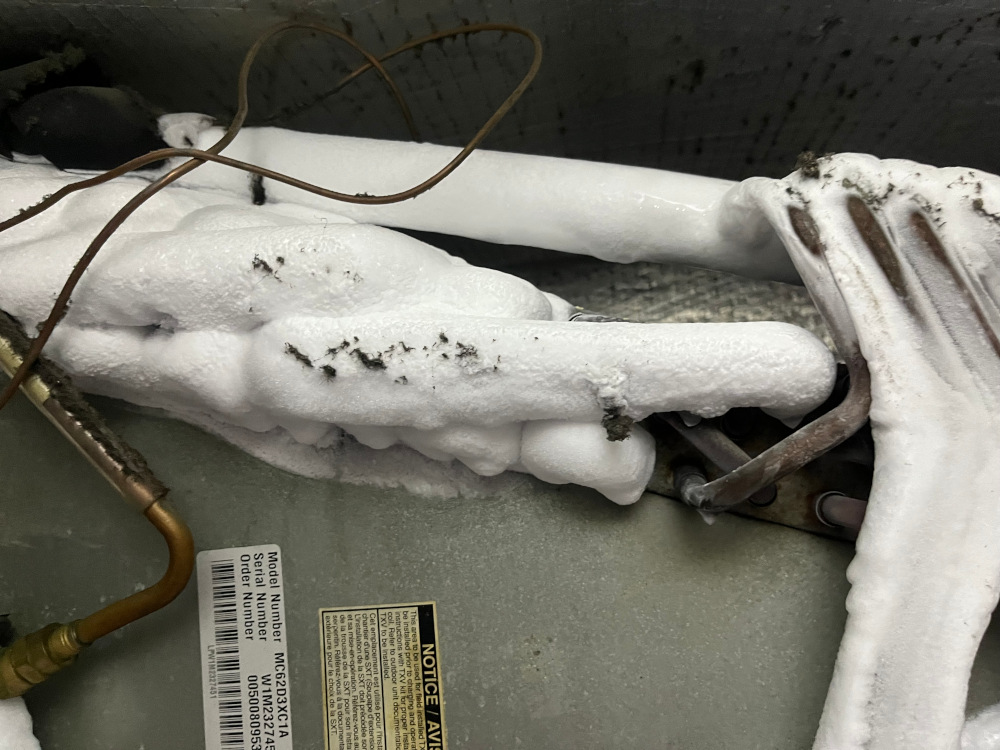
Which one should you do: Thawing, Melting, or Unfreezing?
When dealing with a frozen AC, it may seem like an easy fix to simply melt the ice, but there’s more to it than just that. In short, unfreezing is the broad goal of reversing the freeze, with thawing being the recommended process. Following are some precautions to keep in mind.
Before you defrost you frozen AC
Before attempting any of these methods, it’s essential to ensure that the drain lines are clear or that the condensation pump is working properly, as proper drainage is key to avoiding further issues. The following picture shows a frozen AC that caused the drain line to ice and clog altogether. If the ice on the coil melts faster than the ice inside the drain line, it will cause water overflow. The situation becomes even more problematic when the air handler is located in an attic, as the overflow can lead to significant water damage, mold growth, and structural issues in the ceiling below.
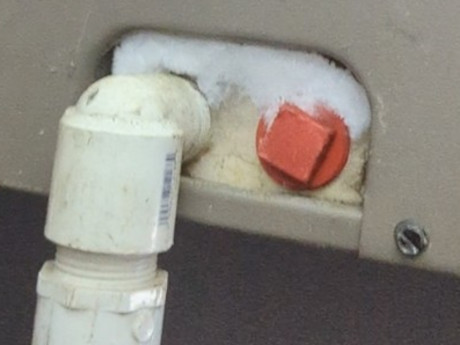
Risk of Melting a Frozen AC too Quickly? Not Recommended.
Melting a frozen air conditioner too quickly can lead to a series of problems, so it’s crucial to approach this process with caution. Some HVAC Companies recommend or DIYers attempt to speed up the melting process by switching the AC system to heating mode or running the blower fan continuously. While these methods may work, they can be risky if not carefully monitored.
If the freezing process is reversed too rapidly, the resulting water could overflow, especially if the drainage system isn't prepared to handle the large volume of water. This excess water can lead to significant flooding in areas like the ceiling or attic, resulting in structural damage and potentially dangerous mold growth. Mold, when left unchecked, can spread quickly and affect air quality, causing health issues such as respiratory problems and allergic reactions.
Typically, melting a frozen AC should take between 2 to 6 hours, depending on the severity of the freeze and the methods used. It’s important that the drainage system is clear and has enough capacity to manage the water as it melts. Without proper drainage, the water could accumulate and create serious long-term issues.
while melting a frozen AC quickly may seem like an efficient solution, it is not recommended unless you are certain that your drainage system is functioning properly. Always prioritize safety and take your time to ensure the process does not cause additional damage.
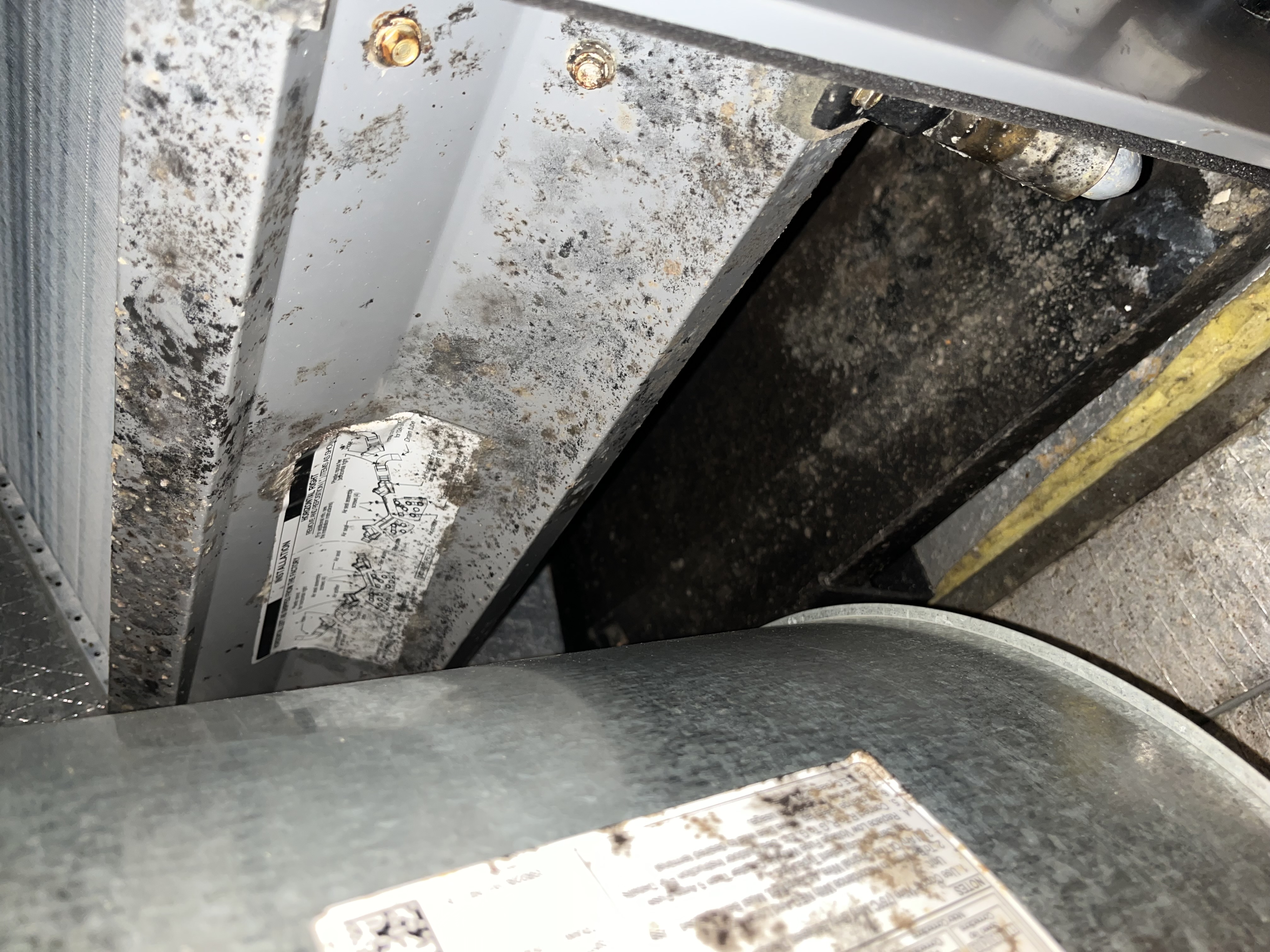
To Thaw or Not to Thaw: What to Do with a Frozen AC
After conducting a thorough diagnostic, here’s a decision-making guide based on your findings:
- If you’re certain that a dirty air filter caused the freeze: Thaw it out! A clogged filter is a common culprit and can be easily resolved by cleaning or replacing the filter. After thawing, be sure to address the filter issue to prevent future problems.
- If the thermostat is set too low (68°F or below): Thaw it out! When your thermostat is too low, it forces the system to work harder, which can lead to ice buildup. Once the ice has thawed, reset the thermostat to a more reasonable 72°F or higher, then start the AC
- If you’re unsure of the cause, Do NOT Thaw It! It’s best to call in a professional. They can help identify the underlying issue and prevent further damage.
Easy Steps to Thaw Your Frozen AC
Prevention is Key: AC Preventive Maintenance
Remember, prevention is the best cure when it comes to dealing with a frozen AC. Here are some tips:
- Change air filters regularly.
- Keep vents and registers clear of obstructions.
- Flush / Release the drain lines and or inspect the condensation pump.
- Make Sure your thermostat is set above 68F or higher (74F is ideal.)
- Clean the condenser coils when required
- Schedule an annual preventive maintenance for your AC system.
Extra Notes and helpful links
Many central AC are equipped with undersized air filters or low MERV air filters.
An EPA 608 certified professional is required to manage and handle refrigerants i.e. find and repair refrigerant leaks
Here is a well written and downloadable preventive maintenance cheat sheet
After all, nobody wants to deal with an ice-cold surprise on a scorching summer day!
Stay cool!