Boiler Circulator Pumps: Essential Homeowner Guide

Learn what a boiler circulator pump does, how a boiler circulating pump works, common warning signs of failure, and when to safely call a professional HVAC technician.

Boiler Circulator Pump Operation, Symptoms, Failure Modes, and Troubleshooting

A boiler circulator pump (also called a boiler circulating pump) is the heart of a hydronic hot water heating system. It moves hot water from the boiler to radiators or baseboards and back, ensuring consistent heating throughout your home. Without proper circulation, you may notice cold spots, noisy pipes, or even boiler lockouts.

In this guide, we’ll cover:

Home hydronic boiler circulator pump system overview

Note: This guide is intended for homeowners who want to understand circulator pumps and identify potential issues. Always exercise caution — some tasks require professional HVAC service to avoid injury or system damage.

Circulator Pump Basics & Lifespan

Understanding how hydronic circulation evolved helps explain why modern circulator pumps are more reliable, efficient, and serviceable — and why correct installation and routine maintenance directly impact service life.

Early hot water heating systems relied on gravity circulation, which often resulted in slow response times and uneven heat distribution. Modern circulation pumps actively move heated water from the boiler to radiators, baseboards, or radiant loops, ensuring consistent comfort across all floors while improving system efficiency.

Regardless of boiler brand — including Weil-McLain, Crown, Burnham, or Peerless — a circulator pump is required to deliver hot water reliably to every heating terminal, regardless of distance or elevation. Proper pump selection plays a significant role in system performance and long-term durability.

Installation Considerations

Correct pump installation and zoning strategy are critical to system balance and longevity. Multi-zone systems typically use either zone valves with a single circulator or dedicated circulators for each zone. Improper sizing, poor placement, or incorrect zoning can lead to noise, uneven heating, premature wear, and reduced efficiency.

The industry remains divided on whether circulator pumps should be installed on the supply or return piping. In most single-family homes, the difference is minimal. However, in larger or multi-family systems, pump location, system pressure, and proper sizing become increasingly important.

Average Life Expectancy

Most circulation pumps have a typical service life of 10–30 years, depending on operating conditions, water quality, and maintenance practices. Routine inspection, air removal, and keeping the system clean can significantly extend pump lifespan.

Circulators exceeding 15 years of service commonly experience mechanical or electrical failure, particularly in systems with neglected water quality or limited maintenance history.

Replacement Costs and Repair Considerations

Replacing a boiler circulator pump typically costs between $600 and $1000 depending on model and installation complexity. Some pumps can be repaired, but is it cheaper to repair or replace a boiler? generally depends on the pump age and severity of failure. Most circulator pumps have a typical service life of 10–30 years, but regular maintenance can extend lifespan and prevent unexpected failures.

Most Common Circulor Pump Brands Found in Boilers

Regardless of the boiler installed, the majority of residential hydronic systems — often 80% or more — use one of the circulator pump models shown below. These examples are included to help homeowners visually identify common pump designs and understand what is typically found in the field.

While we are not affiliated with any manufacturer, the observations below are based on decades of hands-on experience servicing boilers and circulator pumps. The comparisons focus on real-world reliability, serviceability, noise characteristics, and common failure patterns rather than marketing claims.

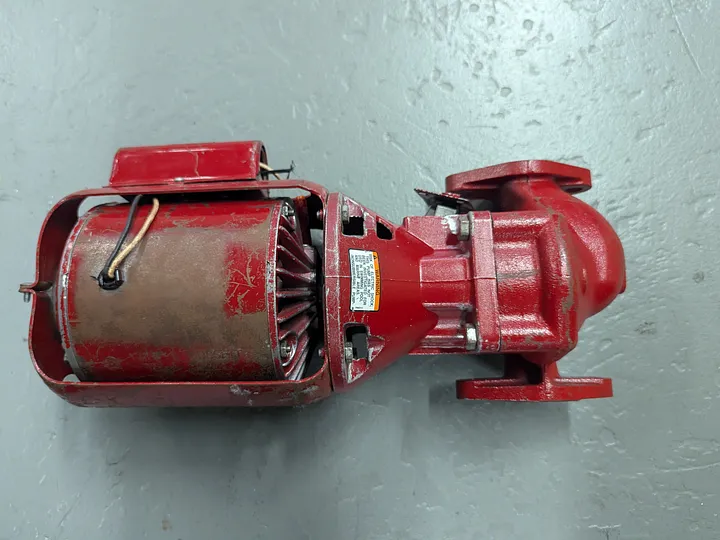
Bell and Gossett 100 Series

  • Known for durability and robust performance.
  • Features traditional designs that are easy to maintain.
  • Ideal for larger systems requiring consistent operation.
  • Bell and Gossett 100 Series Boiler Circulation Pump.
Bell and Gossett Circulator Pump

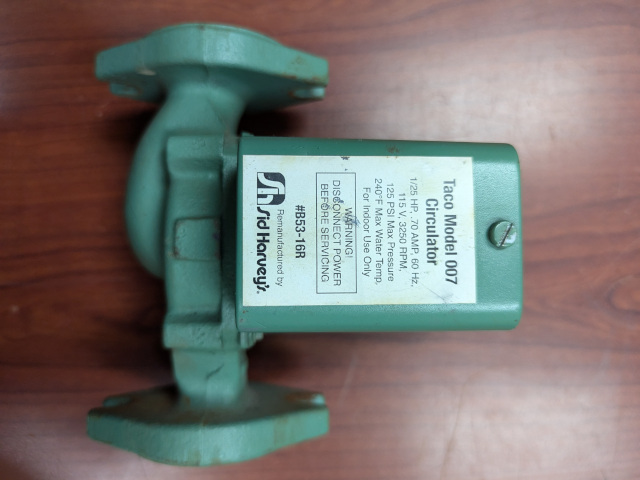
TACO 007

Taco Circulator
  • Compact form factor, making it suitable for tight spaces.
  • Energy-efficient designs, including ECM (Electronically Commutated Motor) options.
  • Focused on user-friendly installation and maintenance.
  • The price of the capacitor (~$60) is about half the cost of a new motor. Replacing the capacitor is often easier than replacing the whole pump, though it’s worth investigating why the capacitor failed.

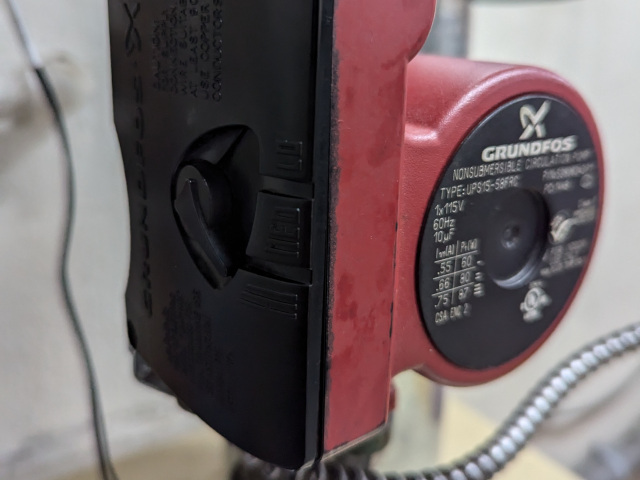
Grundfos UPS26–99

  • Advanced technology with quieter operation.
  • Offers both single-speed and variable-speed models.
  • Excellent for residential and small commercial applications.
  • Easy access port to check if the motor shaft is rotating freely.
Grundfos Circulation Pump

How to Know if Your Boiler Circulator Pump Is Bad & Symptoms

If you are wondering how to know if your boiler circulator pump is bad, common signs include noisy operation, uneven heating, or leaks. When a circulator pump stops working, your system may develop cold spots, reduced boiler efficiency, or even trigger safety lockouts.

Example of noisy boiler circulator pump

Pro Tip: If you notice any of these symptoms, it may be tempting to DIY. Some basic checks are safe, but persistent problems usually require a licensed HVAC technician to prevent damage to the pump or boiler.

For a more detailed guide on related boiler issues, see our Impact on Boiler Performance section or visit our Boiler Troubleshooting Guide.

Impact of a Failing Circulator Pump on Boiler Performance

A malfunctioning circulator pump can affect your entire hydronic heating system. Even minor issues with the pump can lead to major performance problems:

Hydronic boiler system showing impact of failing circulator pump

Understanding the consequences of a failing pump helps homeowners decide when simple DIY checks are safe and when professional intervention is necessary. Persistent circulation issues can escalate quickly, resulting in costly repairs or complete pump replacement.

For related preventive tips, see our DIY Preventative Measures section. For a deeper professional guide, check Boiler Troubleshooting Guide.

Common Circulator Pump Problems, Causes, and Troubleshooting

Circulator pumps are robust, but over time they can develop issues that affect heating performance. As such pump problems rarely appear without warning. Most failures begin with minor flow restrictions, trapped air, electrical irregularities, or seal wear that gradually stress both the pump and the boiler. Recognizing these early warning signs and understanding their root causes helps prevent corrosion, component damage, and system-wide efficiency loss.

Early Detection Matters: Unusual noise, reduced heat output, vibration, minor leaks, or inconsistent temperatures often appear weeks or months before circulator pump failure. Addressing these symptoms early protects both the pump and critical boiler components.

1. Noisy Pump (Air, Cavitation, or Bearing Wear)

Left unaddressed, persistent noise can accelerate internal wear and increase stress on boiler components.

2. Pump Not Circulating Water Properly (Flow Restriction or Improper Sizing)

Ongoing flow issues increase boiler run time and can shorten the lifespan of heat exchangers and controls.

3. Pump Overheating (Blocked Flow or Electrical Faults)

Repeated overheating accelerates seal degradation and may trigger boiler safety shutdowns.

4. Leaking Pump Body or Seals (Seal Wear or Corrosion)

Unchecked leaks can corrode nearby components and compromise system pressure.

5. Short Cycling or Intermittent Operation (Pressure or Control Issues)

Ignoring intermittent operation can lead to premature pump failure and increased energy consumption.

Common circulator pump problems and causes in hydronic systems

Key Takeaway: Most circulator pump failures originate from air intrusion, flow restrictions, electrical irregularities, or long-term wear. Early detection, cause-based troubleshooting, and timely maintenance significantly extend pump life and protect overall boiler performance.

Troubleshooting Circulator Pump Issues

When a circulator pump shows symptoms like noise, leaks, or poor flow, systematic troubleshooting can help identify the problem safely. Some tasks are homeowner-friendly, while others require a licensed professional.

Step 1: Observe and Listen

Step 2: Check Power Supply

Step 3: Verify Water Flow

Step 4: Inspect the Pump Internals

Step 5: When to Call a Professional

Some issues are not safe for DIY intervention. Contact a licensed HVAC professional if:

Homeowner inspecting a circulator pump for troubleshooting

By following these steps, homeowners can detect minor issues early and prevent more serious boiler or pump failures. Remember: safety first — if you are unsure, always contact a professional.

Safety Note: Some troubleshooting steps can be hazardous. If unsure, contact a licensed HVAC professional.

DIY Preventative Maintenance for Circulator Pumps

Regular maintenance helps ensure your boiler circulator pump runs efficiently, lasts longer, and prevents costly repairs. While some tasks are safe for homeowners, others should only be performed by a licensed professional.

Step 1: Visual Inspection

Step 2: Listen and Feel

Step 3: System Pressure and Flow

4. Bleed the Pump if Necessary

Some pumps feature bleed screws or vents. Follow manufacturer instructions carefully to release trapped air safely. Always turn off the boiler and let the system cool before bleeding.

Step 4: Routine Cleaning

Step 5: Annual Professional Check

Homeowner performing preventative maintenance on a boiler circulator pump

Pro Tip: Even minor DIY maintenance can prevent major failures. Monthly checks for noise, leaks, and pressure, combined with annual professional service, keep your circulator pump and boiler running efficiently for years.

Pro Tip: Regular DIY maintenance combined with annual professional checks maximizes pump lifespan and ensures your heating system runs efficiently for years.

When to Call a Licensed HVAC Professional

While some circulator pump maintenance can be safely performed by homeowners, certain issues require professional intervention. Attempting DIY repairs in these cases can lead to system damage, personal injury, or voided warranties.

1. Persistent Noises or Vibration

If your pump continues to hum, rattle, or gurgle after bleeding and basic inspections, the problem may be internal damage or misalignment. A licensed HVAC technician can disassemble, inspect, and repair or replace components safely.

2. Pump Overheating or Electrical Issues

Pumps that overheat or show electrical malfunctions should never be handled without proper training. Professional evaluation ensures safe resolution and protects your home’s electrical system.

3. Water Leaks or Corrosion

Leaking pumps or corroded components often require seal replacement or full pump swap. Improper handling can cause water damage, pressure loss, or further corrosion. A professional can source the correct replacement parts and install them properly.

4. Complex Hydraulic or Flow Issues

If bleeding and minor adjustments do not resolve flow imbalances, temperature differences, or short cycling, system-level diagnostics are needed. Professionals can assess pump sizing, piping design, zone valves, and overall boiler performance to ensure proper circulation.

HVAC professional inspecting boiler circulator pump

Pro Tip: Scheduling annual boiler maintenance with a licensed HVAC professional prevents circulator pump issues before they become serious, extending the life of your heating system.

If any of the above situations arise, stop DIY troubleshooting and contact a licensed technician. Professional service ensures correct diagnosis, safe operation, and long-term reliability of your boiler and circulator pump.

Conclusion & Next Steps

Understanding your boiler circulator pump and performing regular inspections can prevent costly repairs and ensure efficient heating throughout your home. Recognizing early warning signs and safely performing basic DIY maintenance helps maintain system reliability and extends pump life.

When to Call a Professional

Recommended Professional Services

Licensed HVAC technicians can perform detailed diagnostics, align pumps, flush systems, or replace worn components. Annual maintenance is highly recommended to prevent unexpected failures and ensure peak boiler performance.

Additional Resources

For further reading and in-depth guides, check our other Neocities articles:

HVAC professional inspecting a boiler circulator pump

Pro Tip: Even if your DIY inspections show no immediate issues, scheduling a licensed professional annually helps maintain peak performance and prevents hidden failures.

↑ TOP