DIY Air Conditioner Repair
Diagnose and Fixing Common Issues
The success of any repair begins with accurate diagnostics and the proper tools. Air conditioners are more complex than many people realize. However, in this guide, we discuss some basic tasks that the general public and DIYers can handle on their own
Troubleshoot The Thermostat for Central AC
Before you attempt a central AC repair, it's important to first diagnose issues with your air conditioning system. One of the key areas to inspect is the thermostat. Thermostats come in a range of models, from basic ones that only regulate temperature and fan settings to advanced programmable versions. These modern thermostats can adjust the temperature throughout the day for optimal comfort when you're at home and improved energy efficiency when you're away or asleep. Plus, Wi-Fi-enabled thermostats give you the added convenience of controlling your home's climate remotely via your smartphone or computer.
With all these options, thermostat settings can sometimes be the reason your air conditioner doesn't seem to be working properly. If you're noticing any of the following symptoms, it may be a thermostat issue:
- Air blowing from the vents that feels lukewarm at times, but cold at others.
- A higher-than-usual temperature reading on the thermostat.
- No air flowing from the vents at all.
If any of these issues sound familiar, before reaching out to an HVAC professional, take a moment to check the thermostat. Here are a few steps to troubleshoot the problem:
- Review Your Programmable Settings
For those with programmable thermostats, it's worth reviewing your “comfort schedule” to ensure that the set times and temperatures are still in line with your routines. Check that the settings align with when you're at home, away, and asleep.
- Check the Mode Setting
Is the thermostat set to heat instead of cool? If so, simply switch the mode to "COOL" or set it to "AUTO" so the system can automatically adjust between heating and cooling as necessary.
- Examine the Fan Setting
The fan setting on your thermostat is important. If it’s set to "ON," the fan will continue running even when the air conditioner isn't actively cooling the air, which may result in warmer air blowing from the vents. Switching the fan setting to "AUTO" will ensure the fan only operates when cooling is required. If the fan is set to "off," simply switch it to either "ON" or "AUTO."
- Verify the Temperature Setting
Double-check the temperature to ensure it hasn't been changed by someone else in the household. A higher temperature setting could be preventing the system from cooling effectively.
- Thermostat Placement
Is the thermostat properly placed? If it’s located too close to a supply register or diffuser, it can pick up the cold air coming directly from the system. This can trick the thermostat into thinking the space is cooler than it actually is, causing the compressor to shut off too soon and leaving the rest of the room warmer than desired.
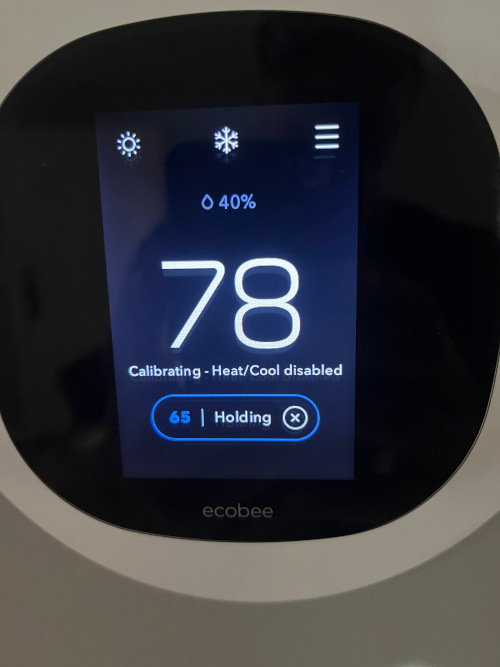
If, after making these adjustments, the issue persists, it may be time to call in a professional HVAC technician for further inspection and repair.
Air Filters: the most misuderstood aspect of AC Repairs
A common issue when troubleshooting an air conditioning system is a dirty air filter. It’s important to remember that your AC system is not just the outdoor unit you see outside your home. Systems also have an indoor air handler, which could be a furnace or fan coil. This indoor unit typically includes an air filter designed to catch dust, dirt, and other particles from the air. Not only regular maintenance is essential for effective air filtration and proper cooling, but also air filter sizing, MERV rating and brand.
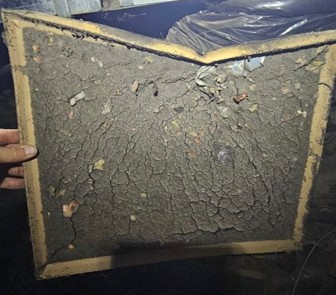
Neglecting maintenance can lead to a clogged filter, which restricts airflow. This can result in decreased efficiency, discomfort, or even cause system failure such as frozen AC Coils in some cases.
Signs that your air filter might need attention include:
- The air temperature in your home feels warmer than usual
- The airflow from your cooling vents seems weaker than normal.
- The AC runs for brief periods and then shuts down, only to restart again (short cycling).
Before inspecting the air filter, ensure your thermostat is set to cooling mode and that the temperature setting is accurate. If the issue seems to be a dirty filter, clean it, or replace it.
For most systems, the basic filter is located inside or near the furnace cabinet or the return air duct.
If cleaning or replacing the filter doesn’t resolve the issue, it’s a good idea to reach out to your local HVAC professional for further help.
Electrical Issues Circuit Breaker, Disconnect or Safety Switch
If your air conditioning system isn’t running and there is no airflow from the registers, it’s possible that the power supply to the system has been interrupted. Since your air conditioner operates on electricity, the first thing to check is your home’s electrical panel (breaker box). Look for any blown fuses or tripped circuit breakers that may have caused the loss of power.
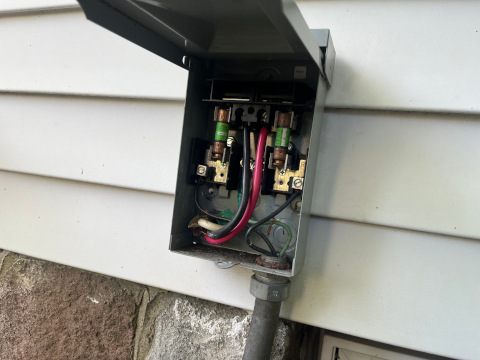
Your air conditioner’s outdoor unit is typically connected to a dedicated 220-volt circuit breaker and a safety disconnect, usually located near the unit itself. In addition, it will also be linked to a circuit breaker or fuse in the main electrical panel.
Your air conditioner’s air handler unit is typically connected to a dedicated breaker and a safety disconnect, usually located near the unit itself. This could be 220V or 125V.
It’s important to remember that working with electricity can be hazardous. If you identify a blown fuse or tripped breaker, only proceed if you are confident in your ability to safely reset the breaker or replace the fuse.
If you're unsure or uncomfortable handling electrical components, consult a qualified professional. Repeated tripping of the circuit breaker or blown fuses may indicate a deeper issue, such as a short. In this case, contact a technician experienced in diagnosing air conditioning electrical problems.
Faulty or Broken Condensing Unit
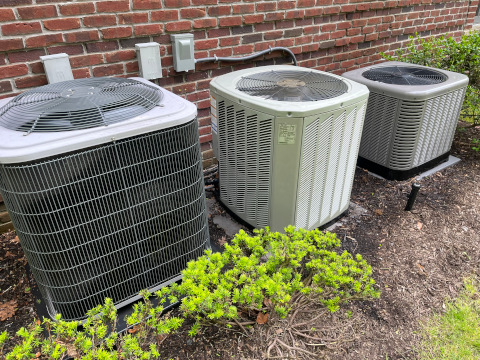
The condensing unit of a typical split-system central air conditioner is located outside your home and comprises several key components: the outdoor coil, compressor, condenser fan, and electronic controls. If you're experiencing any of the following issues, it may indicate a problem with the condensing unit:
- The system does not cool or provides insufficient cooling.
- The system turns on and off rapidly (short cycling).
- The system runs continuously or for extended periods.
- Ice or frost forms on the coil or refrigerant tubing.
- The condensing unit fails to turn on.
Similar to issues with the evaporator coil, a malfunctioning condensing unit may have a dirty coil or a refrigerant leak. Other potential problems could involve a damaged compressor, a failing condenser fan motor, or an issue with the run capacitor. These types of problems generally require professional attention. It's important not to attempt troubleshooting refrigerant or electrical components on your own.
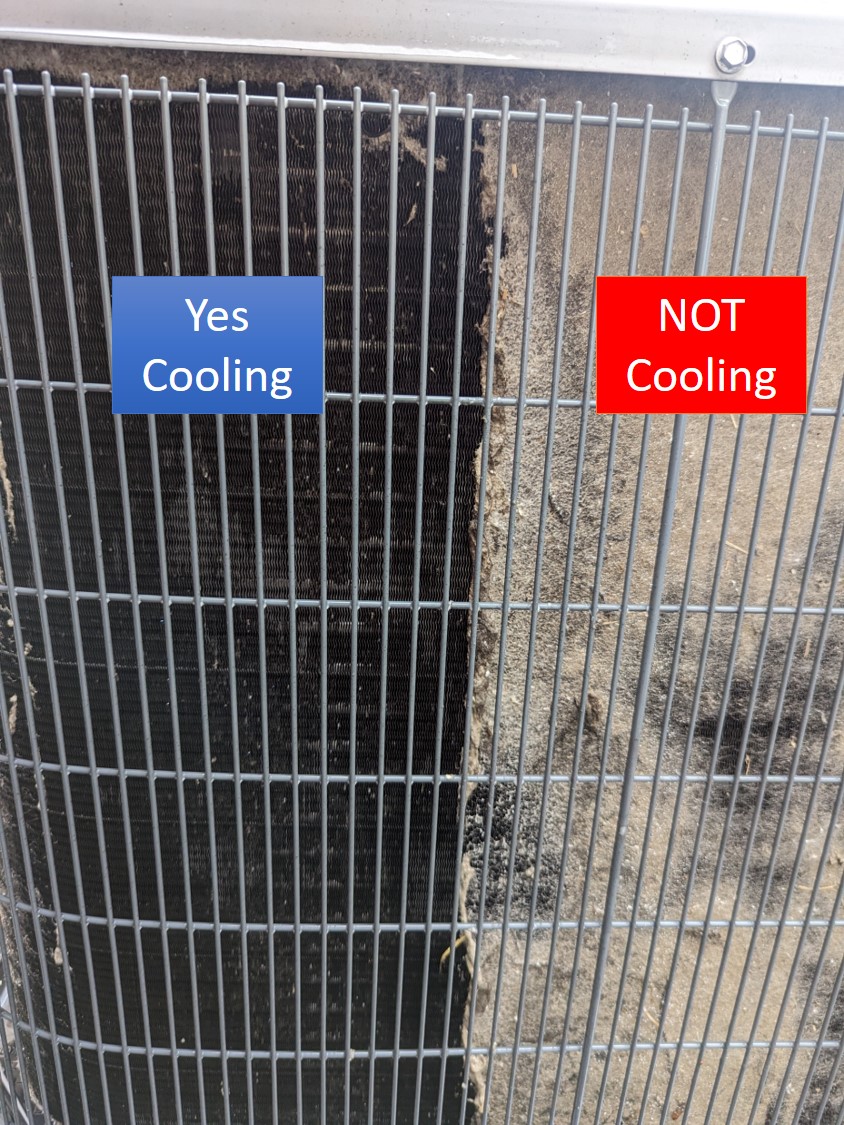
The image above shows the before and after of a dirty condenser. In this case, the unit was experiencing short cycling due to the high-pressure limit triggering and shutting the system down. Cleaning the condenser coils resolved the issue, as the dirt and clog were visible. However, in some cases, the condenser coils may be hidden behind a guard, making it more challenging to diagnose and address the problem without professional help.
Frozen Evaporator Coil: What to Know
In a typical split-system central air conditioner, the evaporator coil is usually located indoors, either in the home or in the garage, as part of the air handler unit. If your system includes a furnace, the evaporator coil is generally placed where the outgoing air flows. In systems with a fan coil, the evaporator coil is typically housed inside the fan coil cabinet.
If you suspect your evaporator coil may be frozen, look out for the following signs:
- Increased utility bills.
- Insufficient cooling performance.
- Excessive water drainage near the indoor unit.
- Ice or frost buildup on the copper refrigerant lines connected to the evaporator coil cabinet.
- Ice forming on the outdoor refrigerant tubing or the outdoor unit itself.
Several factors can lead to a frozen evaporator coil, including:
Several factors can lead to a frozen evaporator coil. For a deeper explanation of the causes of a frozen AC evaporator coil , including:
- Accumulation of dust, dirt, or other pollutants on the evaporator coil.
- A dirty or clogged air filter.
- Debris buildup on the outdoor condensing unit.
- Low refrigerant levels.
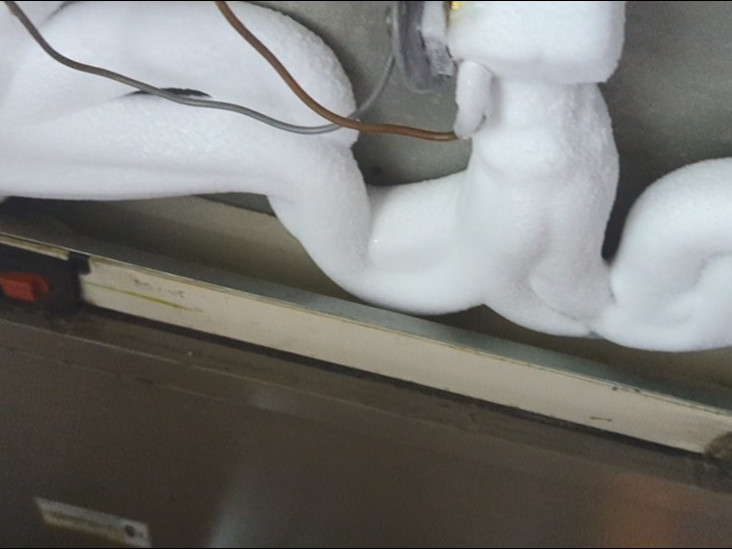
It is important to avoid running your system with a frozen evaporator coil, as doing so can cause severe damage to the coil and lead to costly repairs. Since the evaporator coil is typically not easy to access and refrigerant troubleshooting should be handled by a professional, it’s best to turn off the system immediately and contact your local service provider. Do not attempt to address refrigerant or electrical issues on your own.